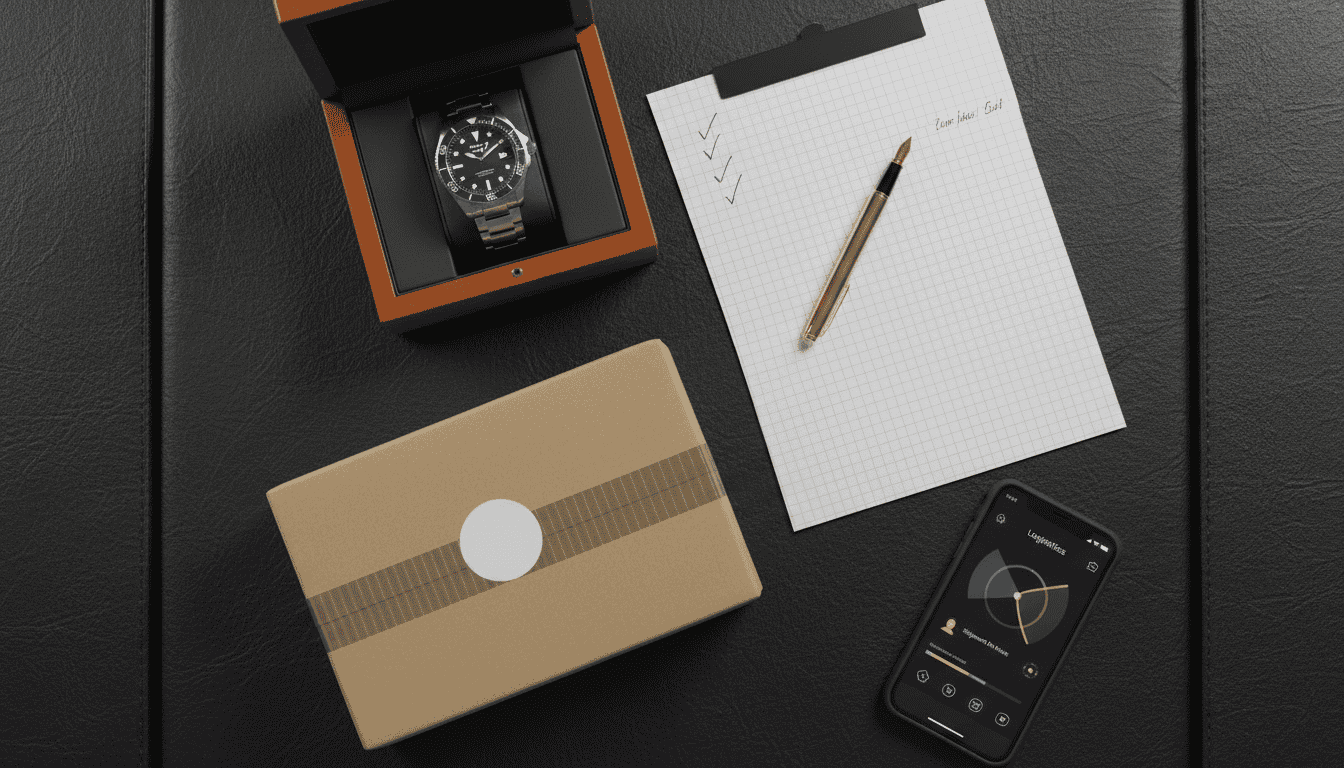
Watch Safe & Storage Malaysia 2026: Security Guide for Collectors

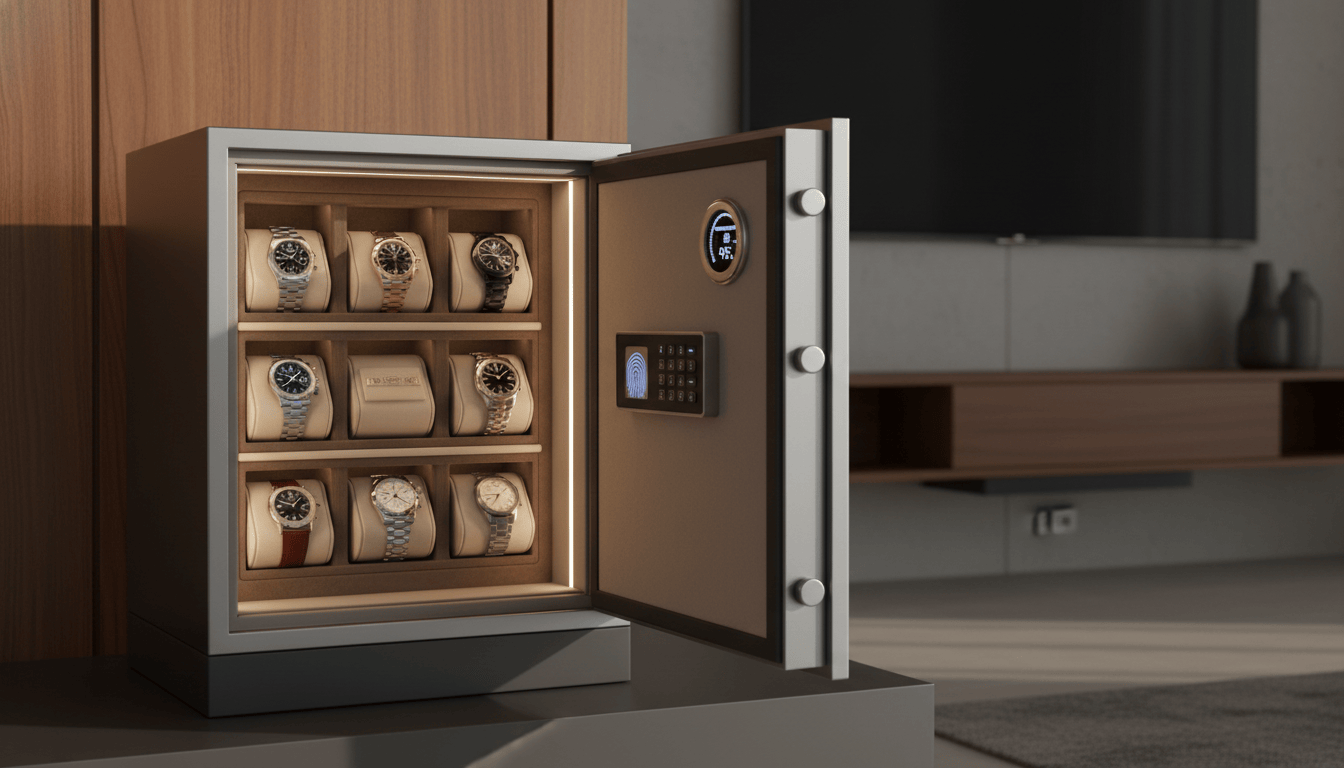
Watch collectors in Malaysia face unique challenges when protecting their valuable timepieces. High humidity, security concerns, and the tropical climate make proper storage essential for maintaining both the condition and value of your collection. Whether you own a single luxury watch or dozens of timepieces, understanding how to store them correctly protects your investment.
A quality watch safe combines security features with environmental controls to keep your watches safe from theft while protecting delicate mechanical movements from moisture damage and temperature fluctuations. The proper storage of watches preserves both their aesthetics and functionality over time. Malaysian collectors need solutions that address local climate conditions while providing bank-level security.This guide covers everything you need to know about watch storage in Malaysia for 2026. You'll learn about different types of safes, essential security features, climate control requirements, and how to choose the right solution for your collection size and budget.
Key Takeaways
- Watch safes must provide both security features and climate control to protect timepieces from theft and environmental damage
- Malaysian collectors need storage solutions that maintain 40-60% humidity levels to prevent moisture damage in tropical conditions
- Proper watch storage includes selecting the right safe capacity, organizing your collection effectively, and maintaining environmental controls year-round
Why Secure Watch Storage Matters
Watch collectors in Malaysia face unique challenges that can damage timepieces and reduce their value. High humidity levels, theft risks, and improper storage conditions threaten both mechanical movements and investment returns.
Risks to Watch Collections in Malaysia
Your watch collection faces several threats without proper security measures. Theft remains a primary concern, especially for luxury timepieces that can be worth thousands or hundreds of thousands of ringgit.
Break-ins targeting homes and offices put unsecured collections at risk. Watches left in drawers or on dressers become easy targets for burglars. You need specialized storage solutions designed for watch collectors to protect against unauthorized access.
Physical damage poses another risk. Watches stored carelessly can get scratched, dented, or dropped. Dust and debris can enter the case and damage delicate mechanical movements. Your timepieces need protection from these everyday hazards through proper watch preservation methods.
Impact on Value and Longevity
Poor storage directly affects your watches' performance and resale value. Mechanical movements suffer when exposed to incorrect storage conditions. The intricate gears and springs inside your watches require stable environments to function properly.
Watch value, functionality, and aesthetic appearance all deteriorate without proper care. Scratched crystals, faded dials, and corroded cases reduce what buyers will pay. You lose money on your investment when storage damages occur.Long-term watch storage requires attention to detail. Watches that sit unused for months need specific care to maintain their condition. Proper steps to prepare, pack, and monitor timepieces prevent damage during extended storage periods.
Weather and Humidity
Malaysia's tropical climate creates serious challenges for watch storage. Humidity levels regularly exceed 80%, which damages watch components. Moisture causes rust on metal parts, degrades leather straps, and fogs watch crystals.
Temperature fluctuations stress mechanical movements. The expansion and contraction of materials can affect accuracy and cause long-term damage. You need climate-controlled storage to maintain stable conditions.
Key climate factors to control:- Humidity between 40-60%
- Temperature around 20-25°C
- Protection from direct sunlight
- Air circulation to prevent moisture buildup
Your watches need protection from these environmental factors year-round. Climate-controlled environments help preserve watch collections in Malaysia's challenging climate conditions.
Choosing the Right Watch Safe in 2026
The right watch safe protects your collection from theft while maintaining proper storage conditions. Your choice depends on the types of safes available, security features like biometric locks, sizing needs based on your living space, and environmental protections.
Types of Watch Safes for Different Needs
You can choose from several types of watch safes depending on your collection size and security requirements. Freestanding safes offer the highest security with heavy construction that makes them difficult to move or steal. These work best for serious collectors with multiple high-value pieces.
Wall safes mount directly into your wall structure. They save floor space and stay hidden behind artwork or mirrors. You sacrifice some capacity compared to freestanding options.
Portable watch safes give you flexibility to move your collection. They work well for smaller collections or if you travel frequently. However, they provide less security than larger models.
Watch-specific safes include features like watch cushions and compartments designed for timepieces. Some models combine safe storage with watch winders for automatic watches that need regular movement.Essential Security Features and Lock Mechanisms
Modern watch safes use advanced security systems beyond basic key locks. Biometric locks scan your fingerprint to grant access, eliminating the risk of lost keys or forgotten combinations. These systems typically store multiple fingerprints so you can authorize trusted family members.
Digital keypads let you set custom PIN codes that you can change regularly. Look for models that include access logs to track when the safe opens. This feature helps you monitor your collection's security.
The lock mechanism matters less if the safe body lacks strength. Your best watch safe should have steel construction at least 12-gauge thick. Pry-resistant doors with reinforced hinges prevent forced entry.
Multiple locking bolts secure the door from several points. Four to eight bolts distributed around the door frame provide better protection than single-point locks.
Anti-drill plates protect the lock mechanism from power tool attacks. Relocker systems automatically engage backup locks if someone tampers with the primary mechanism.
Sizing and Capacity Considerations
You need more space than your current collection requires. Plan for growth over the next three to five years when selecting capacity. Each watch needs adequate room to prevent contact with neighboring pieces.
Count your watches and multiply by 1.5 to determine minimum capacity. A collector with 10 watches should look at safes holding 15 pieces. This buffer accounts for future acquisitions and proper spacing.
Interior dimensions matter more than watch count ratings. Measure your largest watch case diameter and ensure compartments provide clearance. Oversized watches or those with complications need extra space.
Consider storage for watch boxes, papers, and accessories. Many collectors want to keep complete sets together. Adjustable shelving lets you customize the interior layout as your needs change.
Watch winder integration requires additional depth and electrical access. If you own automatic watches, factor in the space these mechanisms occupy.
House Size: Apartment vs Condo vs Landed - how does it impact your choice of safes
Apartment living limits your options due to space constraints and weight restrictions. Choose compact wall safes or under-bed models that fit tight spaces. Check your building's floor load capacity before installing heavy freestanding safes.
Most apartments have concrete walls that make wall safe installation challenging. You may need professional cutting services and building management approval.
Condo units offer more flexibility than apartments but still require careful planning. Freestanding safes work better here if you have a dedicated closet or storage room. Weight remains a concern on upper floors.
Landed properties give you the most freedom for safe selection and placement. You can install large freestanding safes in ground-floor rooms without weight concerns. Basement or ground-floor locations provide the best foundation support.
Landed homes also allow for concealed installation options. You might build a safe room or install a floor safe in your foundation. These permanent installations add significant security but require construction work.
Fire and Environmental Protections
Fire protection becomes critical for watches with leather straps, wooden boxes, and paper documentation. Fire-rated safes maintain interior temperatures below damaging levels during a fire. Look for ratings of at least 1 hour at 1700°F.
Humidity control prevents moisture damage to movements and cases. Safes in Malaysia's tropical climate need dehumidifiers or desiccant systems. Excessive humidity causes rust on steel components and damages leather.
Temperature stability matters for long-term storage. Avoid placing safes near windows, air conditioning vents, or exterior walls where temperatures fluctuate. Stable conditions between 15-25°C protect watch lubricants and materials.
Waterproofing protects against floods and firefighting water. Sealed safes with gaskets keep moisture out during emergencies. This feature proves especially valuable for ground-floor or basement installations.
Some luxury watch collection safes include climate control systems that actively manage temperature and humidity. These advanced features suit collectors with particularly valuable or sensitive pieces.
Watch Storage Solutions and Accessories
Beyond safes, collectors need various storage options for different situations. The right combination of watch boxes, winders, and travel cases keeps your timepieces protected whether at home or on the move.
Watch Box Options for Daily Use
Watch boxes serve as your first line of defense against dust, scratches, and accidental damage. Basic models feature cushioned slots lined with soft materials like velvet or microfiber that cradle each timepiece. You'll find options ranging from simple wooden designs to elaborate display cases that showcase your collection behind glass lids.
Most collectors prefer boxes with 6 to 12 slots for their everyday rotation. Larger models with 24 or more compartments work better if you're actively building your collection. Look for removable watch pillows or adjustable watch cushions that accommodate different case sizes and bracelet styles.
Premium watch boxes include features like locking mechanisms, humidity control packets, and separate compartments for straps and tools. The interior should have enough depth to prevent your watches from touching the lid when closed. Solid construction matters too since a flimsy box offers little protection if knocked off a dresser.
Watch Winders for Automatic Watches
Automatic watches stop running when not worn regularly. Watch winders solve this problem by rotating your timepieces to keep their movements powered. This becomes especially important if you own complicated watches with perpetual calendars that take time to reset.
Single watch winders work fine if you only need to maintain one or two automatic watches. Multi-watch winder units can handle four to eight timepieces at once. Quality automatic watch winders offer programmable rotation settings since different movements require different turns per day.
Key winder specifications:- Turns per day (TPD): Most watches need 650-900 TPD
- Direction: Clockwise, counter-clockwise, or bi-directional
- Power source: AC adapter or battery-powered
- Noise level: Quieter motors for bedroom placement
The debate around whether watch winders are necessary continues among collectors. Simple three-hand automatics don't strictly need winding when stored. However, keeping your automatic watches wound prevents lubricants from settling and makes them ready to wear immediately.
Travel Cases: Rolls, Pouches, and Portable Safes
Traveling with watches requires compact protection that fits in luggage without taking up excessive space. Watch rolls offer the most portable solution with padded fabric wrapping around individual compartments. These soft cases typically hold 2 to 4 watches and roll up into a cylinder secured by a strap or snap closure.
Travel pouches provide similar portability in a zippered format. Single-watch pouches work well for business trips when you only need one timepiece. Multi-watch travel cases feature foam inserts or padded dividers that keep pieces separated during transport.
Hard-sided travel watch cases deliver maximum protection for valuable pieces. These portable safes feature reinforced shells, combination locks, and cushioned interiors. A quality watch roll travel case balances protection with portability better than bulky boxes.
Pack your travel case in carry-on luggage rather than checked bags. The TSA may inspect locked cases but rarely damages properly secured watches. Keep warranty cards and purchase receipts separate from the watches themselves.
Display and Organization Essentials
Proper organization extends beyond basic storage to include accessories that maintain and showcase your collection. Watch pillows and cushions come in different sizes to fit cases from 36mm dress watches to 44mm dive watches. Replacement pillows let you customize existing boxes as your collection changes.
Wall-mounted display racks put your favorite pieces on show while keeping them accessible. Rotating display stands work well for retail-style presentations at home. These options suit collectors who view their watches as art rather than items to hide away.
Organization accessories to consider:- Strap organizers for extra bracelets and bands
- Tool kits for bracelet adjustment and battery changes
- Microfiber cloths for cleaning and polishing
- Humidity indicators to monitor storage conditions
- Divider inserts for drawer storage
Label your storage clearly if you maintain multiple boxes or cases. This prevents unnecessary handling when searching for specific watches. Digital inventory apps can track which pieces live in which boxes along with service dates and purchase information.
Environmental Controls for Preservation
Watches need specific conditions to stay in good working order and maintain their value. The right humidity levels, temperature range, and protection from magnetic fields can prevent damage that costs hundreds or thousands of ringgit to repair.
Humidity and Temperature Management
Malaysia's tropical climate makes humidity control essential for watch collectors. The ideal humidity range for watch storage is between 40-60%. Higher humidity levels cause moisture to enter watch cases, leading to rust on metal parts and fog on the crystal.
Lower humidity can also cause problems. Leather straps crack and dry out when stored below 40% humidity. Rubber gaskets that seal your watch case become brittle and stop protecting against water.
Temperature should stay between 15-21°C (60-70°F). Heat makes lubricants inside your watch thin out and leak onto other parts. Cold temperatures thicken these oils and affect how accurately your watch keeps time.
Avoid storing watches near air conditioning vents or windows where temperature changes happen often. These shifts make materials expand and contract, which can let moisture seep into the case.
Anti-Magnetic and Dust Protection
Magnetic fields damage mechanical watches by magnetizing the hairspring and other metal components. This makes your watch run fast or stop working correctly. Common household items create these fields including refrigerator doors, laptop magnetic covers, and speaker systems.
Store your watches at least 30 centimeters away from electronic devices. Some watch boxes come with anti-magnetic storage materials built into the lining. These help block magnetic interference from nearby electronics.
Dust particles scratch watch crystals and work their way into case gaps over time. A sealed watch box or cabinet keeps dust out while you're not wearing your timepieces. Make sure your storage solution has a tight-fitting lid or door.
Clean watches with a microfiber cloth before storing them. This removes oils and particles that attract more dust later.
Using Silica Gel Packs and Humidity Control
Silica gel packs absorb excess moisture inside closed storage spaces. Place 2-3 small packets in your watch box to maintain stable humidity levels. The packets change color when they stop working and need replacement or reactivation.
You can reactivate silica gel by heating it in an oven at 120°C for 1-2 hours. This drives out absorbed moisture so the packets work again. Replace commercial packets every 3-6 months depending on Malaysia's seasonal humidity changes.
Electric dehumidifiers work better for larger watch collections or cabinet storage. These small devices plug into wall outlets and continuously remove moisture from enclosed spaces. Check the humidity level weekly with a small hygrometer placed inside your storage area.
Avoid storing watches in bathrooms or kitchens where humidity spikes happen daily from showers and cooking.
Light Exposure and Watch Materials
Direct sunlight fades watch dials and damages certain materials permanently. Vintage pieces with original dials are especially vulnerable to UV light. Even a few months of sunlight exposure can turn a white dial yellow or fade colored markers.
Store your watches away from windows and direct light sources. Display cases should have UV-filtering glass if you keep them near natural light. LED lighting inside watch boxes is safe because it produces minimal heat and no UV rays.
Leather straps deteriorate faster when exposed to light. The material becomes discolored and brittle. Rubber straps also break down from UV exposure, developing cracks along the edges.
Keep your storage cabinet closed when you're not accessing your collection. This protects against both light damage and dust accumulation at the same time.
Preparing Watches for Long-Term Storage
Proper preparation protects your timepieces from moisture damage, movement deterioration, and value loss. Clean each watch thoroughly, organize all documentation, address battery and movement needs, and handle pieces carefully during packing.
Cleaning and Servicing Before Storage
Remove dirt, oils, and sweat from your watch before storage to prevent corrosion. Use a soft microfiber cloth to wipe down the case and crystal. For metal bracelets, you can clean them with a mild soap solution using a soft-bristled brush to reach tight links.
Rinse thoroughly and dry completely with a lint-free towel. Let the watch air-dry for at least one hour before packing.
Check your service history before long-term watch storage. If your mechanical watch hasn't been serviced in 3-7 years, schedule a professional cleaning and lubrication. Old oils can congeal during storage and damage the movement. For quartz watches that are running accurately, servicing can wait until after storage unless you notice performance issues.
Avoid ultrasonic cleaners and harsh chemicals that can damage seals and gaskets.
Documentation: Warranty Cards and Records
Gather all paperwork for each watch before storage. Keep your warranty card, original receipt, service records, and authenticity certificates together. Store these documents in acid-free folders to prevent yellowing and deterioration.
Create a digital backup by scanning all papers and saving them to cloud storage. This protects you if physical copies are lost or damaged.
Essential documents to keep:- Warranty card with serial number
- Original purchase receipt
- Service history and repair invoices
- Appraisal certificates
- Authentication papers
Label each folder with the watch brand, model, and serial number. Store the physical documents in a separate location from the watches themselves. This protects your paperwork if the storage area experiences theft or environmental damage.
Battery and Movement Considerations
Remove batteries from quartz watches immediately before storage. Batteries can leak corrosive acid that destroys the movement and case. This single step prevents the most common storage damage for quartz watches.
For mechanical watches, let manual-wind movements run down naturally so the mainspring isn't under tension. Wind automatic watches to about half power and allow them to stop on their own.
Movement type storage guidelines:| Movement Type | Preparation Step |
|---|---|
| Quartz | Remove battery completely |
| Manual-wind | Let mainspring run down |
| Automatic | Half-wind and let stop |
| Perpetual calendar | Set to non-leap year date |
| Moon phase | Document current phase setting |
For complicated movements like perpetual calendar and moon phase watches, document the current settings before storage. Write down the date, moon phase position, and any other complications. This makes resetting easier when you retrieve the watch.
Safe Handling During Packing
Hold your watch by the case, not by the crown or pushers. These components can bend or break under pressure. Work on a soft surface like a microfiber cloth to prevent scratches if you drop the piece.
Use individual padded pouches or watch boxes for each timepiece. Insert a soft pillow or rolled microfiber cloth inside the bracelet to maintain its shape. Place leather straps flat or gently curved to match their natural form.
Never stack watches on top of each other. Keep pieces separated in individual compartments to prevent scratches and metal-on-metal contact. For high-value watches, use double-boxing with an outer rigid container and inner padded box.
Label each container with the watch brand, model, and last service date. This helps you track which pieces need attention when you retrieve them from storage.
Frequently Asked Questions
Watch collectors in Malaysia need specific guidance on security features, maintenance practices, and insurance compliance when selecting storage solutions. Understanding biometric access, climate control systems, fire ratings, and proper placement helps protect valuable timepieces from theft and environmental damage.
What are the essential security features to look for in a high-end watch safe?
Biometric fingerprint scanners provide the most secure access control for watch safes. These systems prevent unauthorized entry while allowing you quick access to your collection. Look for safes that support multiple fingerprint profiles if other family members need access.
Military-grade steel construction with a minimum thickness of 10-gauge is necessary for proper theft protection. The door should have tamper-proof hinges and multiple locking bolts that extend into the frame. Advanced security features also include motion sensors and alarm systems that alert you to tampering attempts.
Digital monitoring systems in premium models send notifications to your phone when the safe is opened. Some units include cameras inside the safe that record each access. These features create an audit trail that proves valuable for insurance claims if theft occurs.
How can collectors maintain the condition of their watches while ensuring their security?
Active humidity control maintains optimal moisture levels between 40-60% relative humidity inside the safe. This prevents rust on steel components and stops leather straps from drying out or developing mold. Temperature stabilization protects delicate movements from expansion and contraction that can affect accuracy.
Watch winder safes keep automatic movements properly wound while providing security. These units rotate watches at programmable intervals to match each timepiece's specific winding requirements. Quality winders use quiet DC motors that won't disturb nearby rooms.Anti-tarnish materials in the interior lining prevent oxidation on metal parts and cases. Microfiber or velvet cushions protect watch cases from scratches during storage. Air filtration systems remove dust particles that can work their way into movements over time.
What is the best way to protect a valuable watch collection against theft and fire?
Bolt your watch safe directly to the floor or wall using heavy-duty anchor bolts. A thief cannot carry away a properly anchored safe, even if it's relatively small. Place the safe in a location that makes it difficult to access with pry bars or cutting tools.
Fire-rated safes provide protection for specific time periods, typically ranging from 30 minutes to 2 hours at temperatures up to 1,700 degrees Fahrenheit. Check that the fire rating covers both the safe body and the door seal. Standard watch safes often lack fire protection, so you may need a hybrid model designed for both security and fire resistance.
Install the safe in an interior room away from exterior walls where burglars might gain easier access. Consider placing it inside a closet or dressing room where it remains hidden from casual visitors. Professional storage solutions combine multiple security layers including alarms, cameras, and monitoring systems.
Are there smart technologies incorporated in watch safes that enhance security?
Cloud-connected safes send real-time alerts to your smartphone whenever someone opens the door. You can view access logs remotely to see exactly when and how often the safe was accessed. These systems typically require a Wi-Fi connection and a subscription service for cloud storage.
Some premium models include internal cameras that automatically photograph or record video each time the safe opens. This provides visual confirmation of who accessed your collection and what items they removed. The footage uploads to secure cloud servers where it cannot be deleted by an intruder.
Voice-activated controls integrated with smart home systems allow hands-free operation when you're carrying watches. Bluetooth connectivity enables you to unlock the safe using your phone instead of memorizing codes. These features add convenience while maintaining security through encrypted communication protocols.
What considerations should be taken into account when choosing the location for a watch safe?
Place your watch safe on a solid floor that can support its weight, typically between 100-500 kilograms depending on size. Upper floors with wooden joists may require structural reinforcement. Check the floor load capacity before installing heavy safes in apartments or older buildings.
Choose a location with stable temperature and low humidity to reduce strain on the climate control system. Avoid placing safes near windows where temperature fluctuations are greatest or where burglars can see them from outside. Basement locations work well if you address potential flooding risks with waterproof models or elevated platforms.
Ensure adequate electrical outlets nearby for watch winders and climate control systems. The location should allow the door to open fully without hitting walls or furniture. Consider future access needs, as moving a bolted safe requires professional help and potential wall repairs.
How do insurance requirements impact the choice of watch safe and storage solutions?
Many insurance policies require specific security ratings before they cover high-value watch collections. Insurers often mandate safes certified by organizations like Underwriters Laboratories or European security standards EN 1143-1. Check your policy terms before purchasing to ensure the safe meets minimum requirements.
Insurance companies may offer premium discounts of 10-20% when you store watches in certified safes. You'll need to provide proof of purchase and installation documentation showing the safe was properly anchored. Some policies require annual inspections or maintenance records for climate control systems.
Document your collection with photographs and keep appraisals in a separate location from the safe. Insurance compliance often requires updated valuations every 2-3 years for luxury timepieces. Store these records digitally in cloud storage where they remain accessible even if the safe is stolen or damaged.
MINT watch insurance
MINT offers specialist luxury watch insurance designed specifically for Malaysian collectors who need protection beyond standard home policies. Your typical home insurance only covers watches up to RM10,000-20,000, which falls far short of what most luxury timepieces are worth.The coverage includes protection against theft, accidental damage, loss, and worldwide travel incidents. You get agreed value coverage, meaning no depreciation disputes when you file a claim. Your watch is protected whether you're in Kuala Lumpur, Singapore, or traveling anywhere else in the world.
Premium costs typically range from 1-2% of your watch's value annually:| Watch Value | Annual Premium | Monthly Cost |
|---|---|---|
| RM30,000 | RM300-600 | RM25-50 |
| RM50,000 | RM500-1,000 | RM42-83 |
| RM100,000 | RM1,000-2,000 | RM83-167 |
| RM200,000+ | RM2,000-4,000 | RM167-333 |
MINT insures all major brands including Rolex, Patek Philippe, Audemars Piguet, Richard Mille, and Omega. You can insure a single watch or your entire collection, with preferential rates available for collections valued at RM500,000 or more.
To get coverage, you need to provide your watch's brand and model, serial number if available, approximate value in Ringgit, and ideally photos or proof of purchase. Claims require a police report filed within 48 hours, and MINT processes claims with 48-hour response times.
Read other articles