Watch Safes & Security Systems Singapore: Complete Dealer Protection Guide 2026

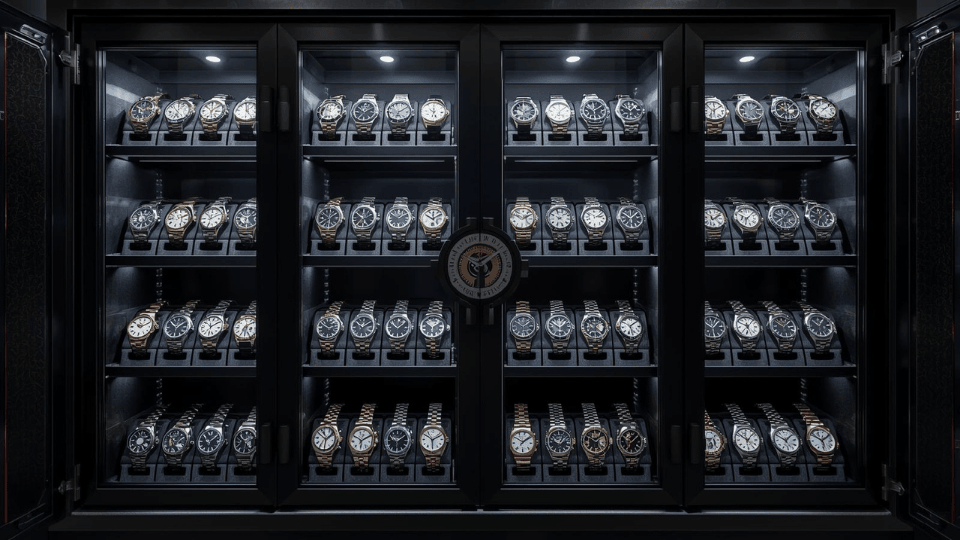
Singapore's luxury watch dealers face sophisticated theft operations targeting high-value inventory. Recent incidents across Ang Mo Kio, Orchard Road, and Queen Street resulted in losses exceeding hundreds of thousands of dollars, proving that proper security infrastructure separates surviving businesses from victims.
Your jeweller's block insurance requires three components: certified safes, monitored CCTV, and burglar alarms. Missing any element voids coverage regardless of premiums paid. This guide examines practical security infrastructure protecting Singapore watch dealers while meeting insurance requirements.
Why Watch Dealers Need All Three Security Systems
Modern watch retail security operates on three pillars insurers mandate: safes, CCTV, and burglar alarms. Each serves distinct roles.
CCTV cameras provide visual deterrence and evidence documentation. Criminals avoid establishments with visible surveillance. Burglar alarms offer immediate response, alerting monitoring stations when intrusion attempts occur. Safes secure inventory during vulnerable overnight and weekend periods.
Criminal operations targeting Singapore's luxury watch sector conduct detailed surveillance over weeks, identifying security weaknesses and optimal timing. This planning level emphasizes why layered security infrastructure serves as primary defense.
Beyond insurance compliance, proper security provides operational benefits. Staff feel safer with high-value inventory, customers perceive professionalism, and documentation supports theft investigations, insurance claims, and customer service situations.
Watch Safes: Protecting High-Value Inventory
Essential Safe Features
Approved safes must meet UL or European certification standards. These ratings indicate penetration time using common tools—TL-15 (15 minutes) or TL-30 (30 minutes).
Fire resistance proves critical in Singapore's dense urban environment. Quality safes withstand high temperatures for 1-2 hours, protecting timepieces worth tens or hundreds of thousands during fire response.
Modern requirements extend beyond locking mechanisms. Integration with burglar alarm systems through seismic or magnetic contacts ensures immediate tampering notification. Floor or wall anchoring prevents criminals removing entire safes for later opening—increasingly common in organized retail crime.
Size considerations matter. Your safe must accommodate current inventory plus anticipated growth. Many dealers discover existing safes don't meet insurance requirements after business expansion.
Top Safe Brands for Singapore
Chubb Safes represent the gold standard for commercial security. The ProGuard Series offers EN 1143-1 Grade III+ ratings alongside fire protection. Singapore insurers universally accept Chubb safes, often reducing premiums for certified models. Modular interiors accommodate watch storage configurations, while local service networks ensure maintenance and emergency support.
For dealers handling inventory exceeding S$500,000, Chubb represents the most reliable choice balancing security, insurance acceptance, and long-term value.
SentrySafe dominates mid-range protection. Models like the T6-331 provide fire resistance up to 1 hour at 927°C, electronic locking, and adjustable shelving. Widespread Singapore availability, competitive pricing, and bolt-down capabilities suit growing watch businesses balancing security against capital constraints.
The brand's reliability in Singapore's humid tropical climate addresses moisture control concerns many imported brands struggle with. For dealers handling S$100,000-S$500,000 inventory, SentrySafe offers insurance-compliant protection without premium pricing.
Diplomat Electronic Safes (119E model) gained popularity for compact backroom applications. Features include electronic keypads, 1-hour fireproof construction, jewelry trays, and override keys. Anti-drill plates protect against forced entry, while compact design fits retail spaces where floor area costs premium pricing.
Yale Safes (High Security Series) offer electronic locking, anti-tamper alarms, bolt-down mounting, and fire resistance. Certification standards meet insurance requirements, while installation ease suits leased retail spaces where extensive modifications aren't feasible. Service networks throughout Southeast Asia provide ongoing support.
Orient Crown Luxury Safes cater specifically to watch dealers with Singapore-based manufacturing. Electronic locking combined with mechanical re-locking provides redundant security—if electronics are compromised, mechanical backup engages automatically. Fire, water, and theft resistance combine with customizable interiors designed for luxury timepiece storage.
Safe Selection Criteria
Inventory value dictates minimum safe ratings insurers accept. Calculate total inventory value including owned stock and customer timepieces held for service or consignment. Underwriters typically require safes rated for at least double your average overnight inventory value.
Consider operational workflow. Multiple drawer configurations allow organized storage by brand or value tier, while internal lighting simplifies inventory management. Electronic locks with multiple user codes enable access tracking.
Professional installation ensures proper anchoring meets manufacturer specifications and insurance requirements. Floor-mounted safes require adequate structural support—verify premises can accommodate weight and anchoring before purchasing.
CCTV Systems: Visual Surveillance & Documentation
Essential CCTV Capabilities
Modern CCTV provides far more than simple recording. High-resolution imaging—minimum 4K for display case monitoring—captures sufficient detail to identify suspects and document incidents. In luxury watch retail where individual timepieces worth tens of thousands pass between staff and customers, video clarity makes the difference between actionable evidence and useless footage.
AI-integrated analytics transform CCTV from passive recording to active management. Motion detection, facial recognition, and intelligent alerts notify security personnel of unusual activity. Real-time alerting proves invaluable when theft occurs during business hours through distraction techniques.
Singapore's PDPA compliance affects CCTV implementation. Proper signage notifying customers of surveillance, appropriate data retention periods, and secure storage preventing unauthorized access all fall under PDPA requirements. Quality systems include encryption and access controls meeting regulatory standards.
Remote viewing allows monitoring operations from anywhere. Mobile app access provides peace of mind and enables rapid response to staff alerts. Cloud storage ensures footage survives even if criminals damage or steal on-premises recording equipment.
Leading CCTV Brands
HikVision dominates Singapore's retail CCTV market. IP Series cameras deliver 4K resolution capturing every detail. AI analytics including facial recognition and motion detection provide actionable intelligence. Remote viewing through mobile applications enables real-time monitoring, while integration with Singapore monitoring networks facilitates rapid police response.
Market leadership means extensive local service networks, readily available parts, and installer familiarity reducing implementation costs. Insurance providers recognize HikVision systems, streamlining underwriting processes.
Dahua Technology ranks second globally with strong Singapore retail presence. High-definition video, intelligent alerts, and weatherproof configurations suit boutiques with external windows or mall locations. NVR integration provides centralized management for multi-camera installations, while PDPA-compliant data storage addresses regulatory requirements.
Competitive pricing compared to HikVision appeals to growing businesses. Technology gaps have narrowed—Dahua now offers comparable AI capabilities and image quality while typically costing 15-20% less than equivalent HikVision configurations.
Axis Communications brings premium Swedish engineering to luxury retail. Network cameras with 360-degree coverage, advanced analytics, and robust cybersecurity position Axis for high-end boutiques where security infrastructure must match luxury positioning. Systems integrate with building management common in premium malls like Marina Bay Sands or ION Orchard.
Retail analytics extend beyond security—customer traffic patterns, dwell time analysis, and demographic data help optimize layouts and staffing. Premium pricing typically exceeds HikVision costs by 30-40% for comparable camera counts.
Dome Cameras from various manufacturers deserve mention for luxury retail. Wide-angle ceiling-mounted configurations provide comprehensive sales floor coverage while maintaining aesthetic discretion. IR night vision ensures after-hours monitoring quality, while dome design resists tampering better than exposed cameras.
PTZ (Pan-Tilt-Zoom) Cameras suit larger boutiques or multi-room layouts. Remote control tracks suspicious activity across wide areas, while motorized zoom enables detailed examination of specific interactions. Auto-tracking follows moving subjects automatically, reducing monitoring workload while ensuring comprehensive incident documentation.
CCTV System Design
Camera placement significantly impacts effectiveness. Display cases require dedicated cameras positioned to capture both merchandise and customer/staff interactions. Entrance and exit points need coverage capturing facial details—position cameras at eye level rather than high ceiling mounts.
Cash handling areas and safe access points warrant dedicated coverage. Back-of-house storage and workshop areas where watches undergo servicing require monitoring. For boutiques with external display windows, cameras covering these areas from multiple angles prevent blind spots.
Storage and retention demand careful planning. Singapore legal requirements and insurance stipulations typically mandate minimum 30-day retention, though 60-90 days better supports investigation timelines. Cloud storage provides redundancy ensuring footage survives even if criminals destroy on-premises equipment.
Network security cannot be overlooked. CCTV systems connected for remote viewing present cybersecurity vulnerabilities if improperly configured. Strong password protocols, regular firmware updates, and network segmentation isolating CCTV from other business networks prevent unauthorized access.
Burglar Alarm Systems: Immediate Response Protection
Core Alarm Components
Professional systems integrate multiple detection technologies. Door and window contacts trigger immediately when unauthorized entry occurs. Motion detectors identify movement within premises after arming. Glass-break sensors respond to acoustic signatures of breaking glass—critical for watch retailers with extensive display windows. Vibration sensors on safes detect tampering attempts during off-hours.
Central monitoring stations provide 24/7 professional oversight. When sensors trigger, monitoring personnel immediately assess situations through CCTV integration, attempt voice communication if two-way audio exists, and dispatch security response or police as appropriate.
Dual signaling—combining GSM cellular and landline connections—prevents criminals disabling alarm communication by cutting phone lines. Modern systems use internet connectivity as well, providing triple-redundant communication ensuring authorities receive alerts regardless of how criminals attempt to compromise individual methods.
Remote arming and disarming through mobile applications provide flexibility for authorized personnel while maintaining security protocols. Activity logs track exactly who accessed premises and when—valuable for security auditing and operational management.
Top Burglar Alarm Brands
Chubb Intruder Alarms represent Singapore's market leader for commercial security. Comprehensive detection includes door, window, motion, and glass-break sensors, while 24/7 monitoring through Chubb's central station ensures professional response. Brand reputation among insurers often reduces premiums for certified Chubb systems.
For watch dealers, Chubb's integration with broader security infrastructure—linking alarms to CCTV and safe monitoring—provides cohesive security management. Rapid response through dedicated security teams adds value beyond simple alarm monitoring.
RISCO LightSYS offers wireless and hybrid configurations popular among Singapore retailers. App-based control enables remote arming and monitoring from smartphones, while zone partitioning allows securing back-of-house areas while keeping showrooms accessible. Integration with CCTV provides visual verification of alarms.
RISCO's widespread service network throughout Singapore minimizes system downtime—critical when insurance policies require continuous alarm operation. Reliability and anti-intrusion features suit high-value displays, while competitive pricing appeals to growing watch businesses.
Paradox Digiplex systems gained popularity for robust protection against jamming attempts. Encrypted wireless communications prevent criminals from blocking alarm signals—a sophisticated threat as criminal networks adopt advanced technology. Expandable zone configurations allow security infrastructure to grow alongside business.
Low false alarm rates reduce operational disruption and response fatigue. For boutiques in busy malls or mixed-use developments where environmental factors might trigger less sophisticated systems, Paradox's intelligent detection algorithms discriminate between genuine threats and benign activity.
DSC (Digital Security Controls) PowerSeries panels provide affordable yet compliant protection. Wireless sensor options simplify installation in leased retail spaces where extensive wiring proves impractical. SMS alerts ensure business owners receive immediate incident notification. Integration with access control links alarm protection to staff entry procedures.
DSC compatibility with SPF-linked monitoring enables direct police dispatch during confirmed incidents—unique to certain certified systems in Singapore. This capability provides rapid official response during active theft attempts.
AJAX Systems represent new-generation wireless alarm technology. Battery backup ensures operation continues during power outages. Photo verification through integrated cameras allows monitoring stations to visually assess situations before dispatch. Anti-jamming technology protects against sophisticated interference attempts.
Mobile app interface offers user-friendly management, while smart home integration suits watch dealers in residential-commercial hybrid spaces. Rising Singapore popularity reflects balance of advanced features and competitive pricing.
Alarm Implementation Best Practices
Professional installation by licensed security firms ensures systems meet insurance requirements and optimal functionality. Singapore Police Force requires security companies hold proper licenses—verify installer credentials before committing.
Annual maintenance by certified technicians represents mandatory insurance policy requirements. Regular testing ensures sensors function properly, batteries maintain charge, and communication paths remain operational. Documentation proves essential during insurance claims—carriers may deny coverage if required maintenance was neglected.
User training ensures staff understand proper arming and disarming procedures, preventing false alarms while maintaining protocols. Clear procedures for opening and closing, emergency contacts, and incident response help staff react appropriately during security events.
Consider monitored versus unmonitored systems carefully. While unmonitored systems cost less ongoing, they rely on business owners responding to mobile alerts—potentially delayed if sleeping, traveling, or in situations where phone access is limited. Professional monitoring stations provide immediate response regardless of availability.
System Integration & Insurance Compliance
True power emerges when systems work together rather than operating independently. CCTV cameras triggered by alarm sensors immediately begin recording high-resolution footage where intrusion was detected. Monitoring stations reviewing triggers can simultaneously access live CCTV feeds, assessing situations before dispatching response teams.
Safe access integrated with alarm systems documents exactly when safes were opened and by whom. This audit trail supports security investigations and operational management, helping identify potential internal theft risks while providing evidence during insurance claim investigations.
Access control systems linking to alarm infrastructure create seamless security for authorized personnel. When staff with proper credentials enter, systems automatically disarm specific zones while maintaining protection over other areas.
Singapore's PDPA compliance requires careful consideration when implementing integrated security. Video footage, access logs, and alarm records constitute personal data under PDPA regulations. Proper retention policies, access controls, and employee training ensure security infrastructure meets regulatory requirements.
Insurance underwriters increasingly require verification of security integration. Standalone systems without proper coordination may fail to meet policy requirements even if each component individually meets specifications.
Security Investment Planning
Security infrastructure represents significant capital investment, but inadequate protection costs far exceed implementation expenses. A single theft incident can result in losses exceeding S$100,000, while insurance claim deductibles and potential policy cancellation create long-term financial impacts beyond immediate loss values.
Budget allocation should reflect inventory values and risk exposure. Dealers handling predominantly entry-level luxury watches might implement comprehensive security for S$15,000-S$25,000, while establishments specializing in rare pieces may invest S$40,000-S$60,000 or more.
Financing options through security providers or equipment leasing spread costs across multiple years, improving cash flow while ensuring proper protection. Some insurers offer premium reductions for certified installations that offset financing costs over time.
Maintenance and monitoring represent ongoing operational expenses. Monthly monitoring fees typically range S$150-S$300 depending on service level and system complexity. Annual maintenance contracts run S$500-S$1,500 depending on equipment quantity and service requirements.
Return on investment extends beyond loss prevention. Enhanced security reduces insurance premiums—often by 10-25% compared to minimal installations. Customer confidence improves when security measures are visible and professional. Staff security concerns decrease, improving morale and reducing turnover in positions handling valuable inventory.
Selecting Security Partners
The security provider you choose matters as much as equipment installed. Look for firms with specific luxury retail experience rather than general commercial security. Watch and jewelry specialists understand unique challenges of display-oriented sales while maintaining robust protection.
Verify licensing and certifications thoroughly. Singapore Police Force licensing represents baseline requirement, but additional certifications from manufacturers and industry organizations indicate expertise. Ask for references from other watch dealers—speaking with peers about security provider experiences provides insights sales presentations don't reveal.
Response capabilities separate mediocre firms from excellent ones. What's average response time when alarms trigger? Do they offer priority dispatch for premium clients? Can they provide temporary security personnel during high-inventory events like trunk shows?
Ongoing relationship management ensures security infrastructure evolves with business. Regular reviews should assess whether current systems remain adequate as inventory values grow or business models change. Annual equipment updates addressing technological advances keep protection current.
Protecting Your Watch Business
Comprehensive security infrastructure combining certified safes, professional CCTV, and monitored burglar alarms represents essential protection for Singapore's luxury watch dealers. Beyond satisfying insurance requirements, proper security provides peace of mind enabling focus on serving clients and growing business rather than constantly worrying about theft risks.
Singapore's position as Southeast Asia's luxury goods hub attracts both legitimate customers and sophisticated criminal operations. Security challenges continue evolving as theft techniques become more advanced. Static measures quickly become obsolete—maintaining current protection requires ongoing assessment and system updates matching emerging threats.
The cost of proper security infrastructure—while substantial—represents a fraction of potential loss values from a single significant theft incident. When considering insurance deductibles, premium increases, policy cancellation risks, and business reputation damage following security breaches, return on investment in comprehensive security becomes clear and compelling.
For watch dealers handling inventory above S$20,000, specialized insurance becomes essential. Standard home or business insurance typically caps jewelry and watch coverage at S$10,000-S$15,000 and excludes mysterious disappearance. Specialized coverage like MINT provides full replacement value based on current market pricing, worldwide protection, and no depreciation deductions for dealers treating luxury watches as valuable business assets.
Consult with licensed security specialists experienced in luxury retail to assess current infrastructure and identify improvements ensuring valuable timepieces receive comprehensive protection.
Disclaimer: All security product information, pricing estimates, and insurance considerations in this guide are accurate as of January 2026 and reflect current market conditions in Singapore. Security requirements and insurance policies can change. This article is provided for informational and educational purposes only and does not constitute security, insurance, or purchasing advice. Readers should verify current requirements and specifications with security providers and insurance carriers before making decisions. We are not liable for any decisions made based on the information presented in this guide.
Protect Your Watch Collection
Own a luxury timepiece? Make sure it's properly protected. MINT provides specialist watch insurance in Singapore covering theft, loss, and accidental damage worldwide. From $8/month for comprehensive coverage trusted by Singapore collectors.
- Watch Insurance Singapore – Complete coverage guide
- How to Insure Your Rolex – Step-by-step guide
- Dealer Insurance – For watch businesses
Read other articles