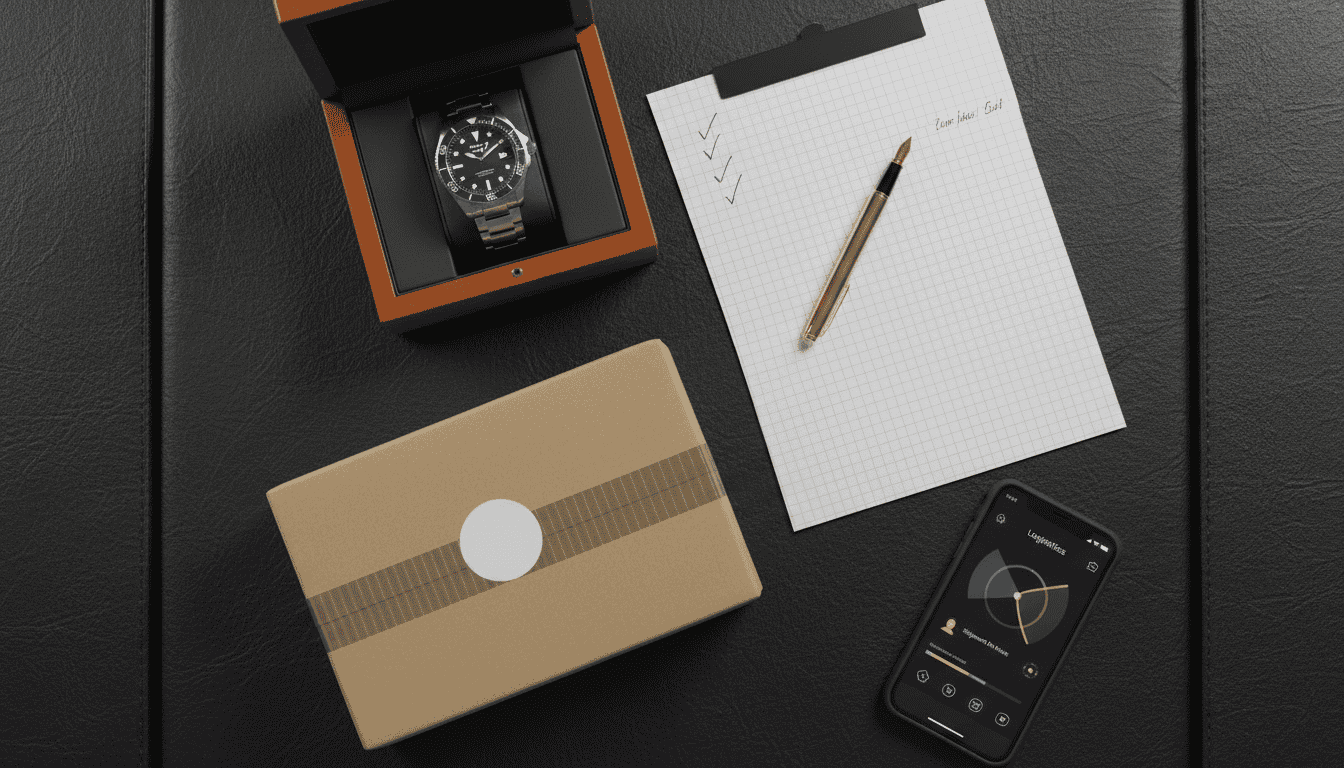
You bought a RM800 "fireproof safe" from a hardware store. You put RM200,000 of watches in it. You're proud of your security setup.
Then you read your insurance policy: "Overnight storage in EN 1143-1 Grade I safe minimum." Your safe has no grading at all. Your collection isn't covered overnight.
The safe you need isn't the safe you think you need. Insurance requirements dictate what actually works.
This guide covers:
- Safe grading systems explained
- What insurers actually require
- Grades matched to collection value
- Fire vs theft protection
- Installation considerations
- What to look for when buying
Why Safe Grade Matters
Safes are tested against standardised attack methods. Higher grades resist longer, more sophisticated attacks.
| Without Proper Grade | Consequence |
|---|
| Insurer won't cover overnight | Only daytime coverage |
| Claim disputed | "Inadequate security" |
| Premium increases | Higher risk profile |
| Actually less secure | Lower attack resistance |
Your insurer specifies safe requirements because their actuaries know what actually protects value.
EN 1143-1: The Standard That Matters
The European standard EN 1143-1 is the benchmark for security safes globally, including in Malaysia and Singapore.
How EN 1143-1 Works
Safes are tested against tool attacks by certified laboratories. They measure "resistance units" (RU): how many tool-minutes the safe withstands.
| Grade | Resistance (RU) | Insurance Value Guide |
|---|
| Grade 0 | 30 RU | Up to RM50,000 |
| Grade I | 50 RU | Up to RM100,000 |
| Grade II | 65 RU | Up to RM200,000 |
| Grade III | 100 RU | Up to RM500,000 |
| Grade IV | 150 RU | Up to RM750,000 |
| Grade V | 200 RU | Up to RM1,000,000 |
| Grade VI | 275 RU | Above RM1,000,000 |
Note: Insurance value guidelines are indicative. Your insurer specifies actual requirements.
What Testing Involves
| Attack Type | Tools Used |
|---|
| Partial access | Hand tools, electric tools |
| Complete access | Cutting equipment, drilling |
| Defined tool sets | Standardised for each grade |
| Time-limited | Measured in resistance units |
Higher grades resist more sophisticated attacks for longer periods.
Certification Labels
Look for:
| Marking | Meaning |
|---|
| EN 1143-1 Grade [X] | European standard certification |
| VdS (Germany) | German testing body |
| ECB-S | European certification body |
| CNPP (France) | French testing body |
| Test certificate number | Traceable certification |
A safe without certification markings from a recognised body is not a certified safe, regardless of marketing claims.
Insurance Requirements by Collection Value
Typical insurer requirements (verify with your specific insurer):
Up to RM50,000
| Requirement | Typical Standard |
|---|
| Safe grade | Grade 0 minimum |
| Anchoring | Floor or wall fixed |
| Location | Concealed preferred |
| Alarm | May not be required |
RM50,000 to RM200,000
| Requirement | Typical Standard |
|---|
| Safe grade | Grade I minimum |
| Anchoring | Floor or wall fixed (mandatory) |
| Location | Concealed |
| Alarm | Monitored alarm recommended |
RM200,000 to RM500,000
| Requirement | Typical Standard |
|---|
| Safe grade | Grade II or III |
| Anchoring | Mandatory |
| Location | Concealed, ideally secure room |
| Alarm | Monitored alarm required |
| Safe alarm | Vibration sensors on safe |
Above RM500,000
| Requirement | Typical Standard |
|---|
| Safe grade | Grade IV or higher |
| Anchoring | Concrete anchoring |
| Location | Purpose-built secure area |
| Alarm | Comprehensive monitored system |
| Additional | May require vault-type installation |
Dealer/Commercial Requirements
| Stock Value | Typical Safe Requirement |
|---|
| Up to RM200,000 | EN 1143-1 Grade I |
| RM200,000-500,000 | EN 1143-1 Grade III |
| RM500,000-1,000,000 | EN 1143-1 Grade IV-V |
| Above RM1,000,000 | Grade VI or vault |
Commercial requirements are typically stricter than residential.
Fire Protection vs Theft Protection
These are different protections. A safe can be excellent at one and poor at the other.
Fire Ratings
| Standard | What It Measures |
|---|
| EN 1047-1 | European fire resistance standard |
| UL 72 | US fire resistance standard |
| JIS S 1037 | Japanese fire standard |
| LFS 30P, LFS 60P | 30 or 60 minutes paper protection |
Fire ratings indicate how long contents survive a standard fire test.
Fire Rating Levels
| Rating | Protection |
|---|
| 30 minutes | Basic document protection |
| 60 minutes | Standard fire protection |
| 120 minutes | Extended protection |
| Data/media protection | Lower internal temperatures for electronics |
The Combination Challenge
| Safe Type | Fire | Theft |
|---|
| Fire safe (document storage) | Good | Poor |
| Security safe (EN 1143-1) | Varies | Good |
| Composite safe | Good | Good |
Fire safes from office supply stores typically have minimal theft resistance. Security safes may or may not have fire ratings.
For watch collections: Security rating (EN 1143-1) is usually the priority. Fire protection is secondary but valuable if available.
Composite Safes
Some safes offer both certifications:
| Example | Specifications |
|---|
| High-end safe | EN 1143-1 Grade III + LFS 60P |
| Top-tier vault | EN 1143-1 Grade V + EN 1047-1 S 120 DIS |
Expect to pay significantly more for dual certification.
Watch Winder Integration
Many collectors want watch winders inside their safe.
Considerations
| Factor | Impact |
|---|
| Internal dimensions | Must fit winder modules |
| Power access | Winders need electricity |
| Cable routing | Entry point for power cable |
| Ventilation | Motors generate some heat |
Power Solutions
| Approach | Pros | Cons |
|---|
| External cable entry | Simple | Potential weak point |
| Battery-powered winders | No cable entry | Battery replacement |
| Integrated power socket | Clean installation | More expensive safe |
Some high-end watch safes come with integrated winder systems designed for the purpose.
Anchoring and Installation
An unanchored safe can be removed entirely. Installation matters.
Anchoring Methods
| Method | Suitability |
|---|
| Chemical anchoring to concrete | Best for concrete floors |
| Expansion bolts | Good for solid construction |
| Wall mounting | For smaller safes |
| Combination (floor + wall) | Maximum security |
Weight Considerations
| Safe Grade | Typical Weight Range |
|---|
| Grade 0 | 50-150 kg |
| Grade I | 100-300 kg |
| Grade II | 200-500 kg |
| Grade III | 400-800 kg |
| Grade IV+ | 600 kg+ |
Higher grades require heavier construction. Consider floor loading capacity and delivery access.
Location Factors
| Factor | Recommendation |
|---|
| Concealment | Not visible from windows/doors |
| Access | You can reach it; intruders can't easily |
| Humidity | Climate-controlled area preferred |
| Floor strength | Verify weight capacity |
What to Look For When Buying
Certification Verification
| Check | How |
|---|
| EN 1143-1 marking | Engraved or permanent label on safe |
| Test certificate number | Can be verified with testing body |
| Certification body logo | VdS, ECB-S, CNPP |
| Genuine vs fake | Contact testing body if uncertain |
Counterfeit certifications exist. Buy from authorised dealers.
Lock Types
| Lock Type | Security Level |
|---|
| Key lock | Basic (key can be stolen) |
| Electronic keypad | Good, audit trail capability |
| Mechanical combination | Good, no batteries needed |
| Dual lock (key + combination) | Higher security |
| Biometric | Convenient, varies in quality |
| Redundant locking | Multiple systems required |
For insurance purposes, some insurers specify lock requirements alongside safe grade.
Internal Features
| Feature | Benefit |
|---|
| Adjustable shelving | Customise for your collection |
| Watch cushions/rolls | Proper watch storage |
| Drawer units | Organisation |
| LED lighting | See your collection |
| Dehumidifier | Climate control |
Interior fit-out varies widely. Some safes are bare metal inside; others are luxury fitted.
Safe Brands and Options
Established Security Safe Brands
| Brand | Origin | Notes |
|---|
| Chubb | UK | Long heritage, wide range |
| Kaso | Finland | Premium grades available |
| Burg Wächter | Germany | Good range of grades |
| Format | Germany | High security grades |
| Hartmann Tresore | Germany | Premium safes |
| Trident | UK | Various grades |
Watch-Specific Safe Brands
| Brand | Origin | Notes |
|---|
| Döttling | Germany | Luxury watch safes |
| Buben & Zörweg | Germany | High-end, integrated winders |
| Stockinger | Germany | Premium, custom options |
| Brown Safe | USA | Custom watch safes |
Luxury watch safes command significant premiums but offer integrated watch storage features.
Price Expectations
| Safe Level | Price Range (RM) |
|---|
| Grade 0-I (basic) | 3,000-10,000 |
| Grade I-II | 8,000-25,000 |
| Grade III-IV | 20,000-60,000 |
| Grade V-VI | 50,000-150,000+ |
| Luxury watch safes | 30,000-500,000+ |
Prices vary significantly by size, features, and brand.
Purchasing Process
Step 1: Determine Requirements
| Factor | Your Answer |
|---|
| Total collection value | RM_______ |
| Insurer required grade | Grade____ |
| Watch storage needs | ____pieces |
| Winder integration | Yes/No |
| Fire protection priority | High/Medium/Low |
| Available space | ____cm × ____cm × ____cm |
| Floor load capacity | ____kg |
Step 2: Get Insurer Confirmation
Before buying, confirm with your insurer:
- Minimum grade required
- Lock requirements
- Anchoring requirements
- Any specific brand requirements
Step 3: Source from Authorised Dealers
| Why Authorised Dealers | Benefit |
|---|
| Genuine product | Verified certification |
| Warranty | Manufacturer backing |
| Installation support | Proper setup |
| Documentation | Proof for insurance |
Step 4: Professional Installation
| Installation Aspect | Importance |
|---|
| Proper anchoring | Essential for coverage |
| Level positioning | For door function |
| Concealment | Security |
| Access for service | Future maintenance |
Get installation certificate or photo documentation for your insurer.
FAQ
Is my hardware store safe good enough for insurance?
Probably not. Uncertified safes, regardless of marketing claims, typically don't meet insurer requirements. Check your policy for specific safe grade requirements.
Can I use a gun safe for watches?
Some gun safes are EN 1143-1 certified and would meet requirements. Many are not. Check the actual certification, not the marketing.
What if my safe exceeds requirements?
Better security may qualify you for premium discounts. Ask your insurer about security credits for exceeding minimum standards.
Do I need to tell my insurer what safe I have?
Yes. Provide details of the safe grade, installation, and location. Some insurers want photo evidence. This becomes important at claim time.
What about hotel safes when travelling?
Hotel room safes are not secure storage. They're typically low-grade or ungraded. Your travel coverage should assume the watch is worn or in hotel secure storage (main safe), not the room safe.
How do I verify a safe's certification is genuine?
Contact the testing body (VdS, ECB-S, etc.) with the certificate number. They can verify if it's legitimate. Buy from authorised dealers to avoid counterfeits.
Does the safe need to be alarmed?
Some insurers require vibration sensors or safe alarm integration for higher values. Check your specific requirements.
Can I install the safe myself?
For insurance purposes, professional installation with documentation is usually required. Self-installation may void coverage or raise questions at claim time.
MINT Conclusion
The right safe isn't the one with the best marketing or the best price. It's the one that meets your insurer's requirements for your collection value, installed properly, and documented.
Before buying, confirm requirements with your insurer. Then buy accordingly. A RM30,000 safe is a reasonable investment to protect RM500,000 of watches.
MINT provides specialist watch insurance with clear security requirements. We can advise on safe grades and security standards that qualify for coverage.
Get a quote for your collection