7 Costly Watch Maintenance Mistakes Singapore Collectors Make


If you’re a watch collector in Singapore, you already know our climate, lifestyle and travel habits are not exactly gentle on luxury timepieces. Between humidity, sweat, sudden downpours, daily wear and crowded MRTs, it’s very easy to damage a valuable watch without realising it.
Good watch maintenance in Singapore isn’t just about keeping your Rolex or AP looking pretty, it’s about preventing expensive, sometimes uninsurable problems. MINT provides all-risk cover for physical loss or physical damage to insured items, unless caused by excluded perils such as wear and tear, gradual deterioration, insects or defective workmanship.
So the better you care for your watches, the more you avoid those “slow burn” issues that no insurance can fix.
Below are 7 collector mistakes we see again and again, plus watch care tips and where MINT Watch Insurance fits in.
1) Underestimating Singapore’s Humidity
The mistake
Leaving watches in non-air-conditioned rooms, leather boxes or cupboards with no humidity control, or worst still, just on the table when you get home from work. Over time, moisture can lead to:
- Condensation under the crystal
- Rust on hands or movement parts
- Mould on leather straps
These issues creep up slowly. By the time you see obvious damage, the cost to put things right can be significant.
Watch care tips
- Store your watches in an air-conditioned room or a dry cabinet.
- If you keep them in a safe, use desiccant packs or a built-in dehumidifier.
- Avoid long-term storage in closed, unventilated cupboards, especially near bathrooms or windows.
Good humidity control is one of the simplest ways to protect a collection in Singapore.
2) Treating Servicing as “Optional”
Many collectors only service a watch when it starts running badly or stops completely.
Why that’s risky
Lubricants dry out; gaskets age; parts wear against each other. That internal wear is classic gradual deterioration, which sits outside what insurance is meant to cover.
Watch care tips
- As a rule of thumb, plan a full service every 3–5 years for mechanical pieces, depending on how often you wear them.
- Stick to authorised service centres or reputable independent watchmakers.
- Keep all service reports and receipts: handy for valuation, resale and any future claims documentation.
3) Overestimating Water Resistance
In our climate, you’re constantly caught in rain, at the pool or near the sea. It’s easy to forget that not every watch is a dive watch.
Common mistakes
- Wearing a dress watch in the shower “just this once”
- Swimming with a watch that’s only splash-resistant
- Using pushers or unscrewing the crown in water
Water gets into the case far more easily than most people realise, especially if seals are old.
Watch care tips
- Check the water-resistance rating and respect it. “30m” does not mean “go diving”.
- Have gaskets and pressure-resistance checked when you service the watch.
- Avoid hot showers and saunas with any watch; heat can affect seals and create condensation.
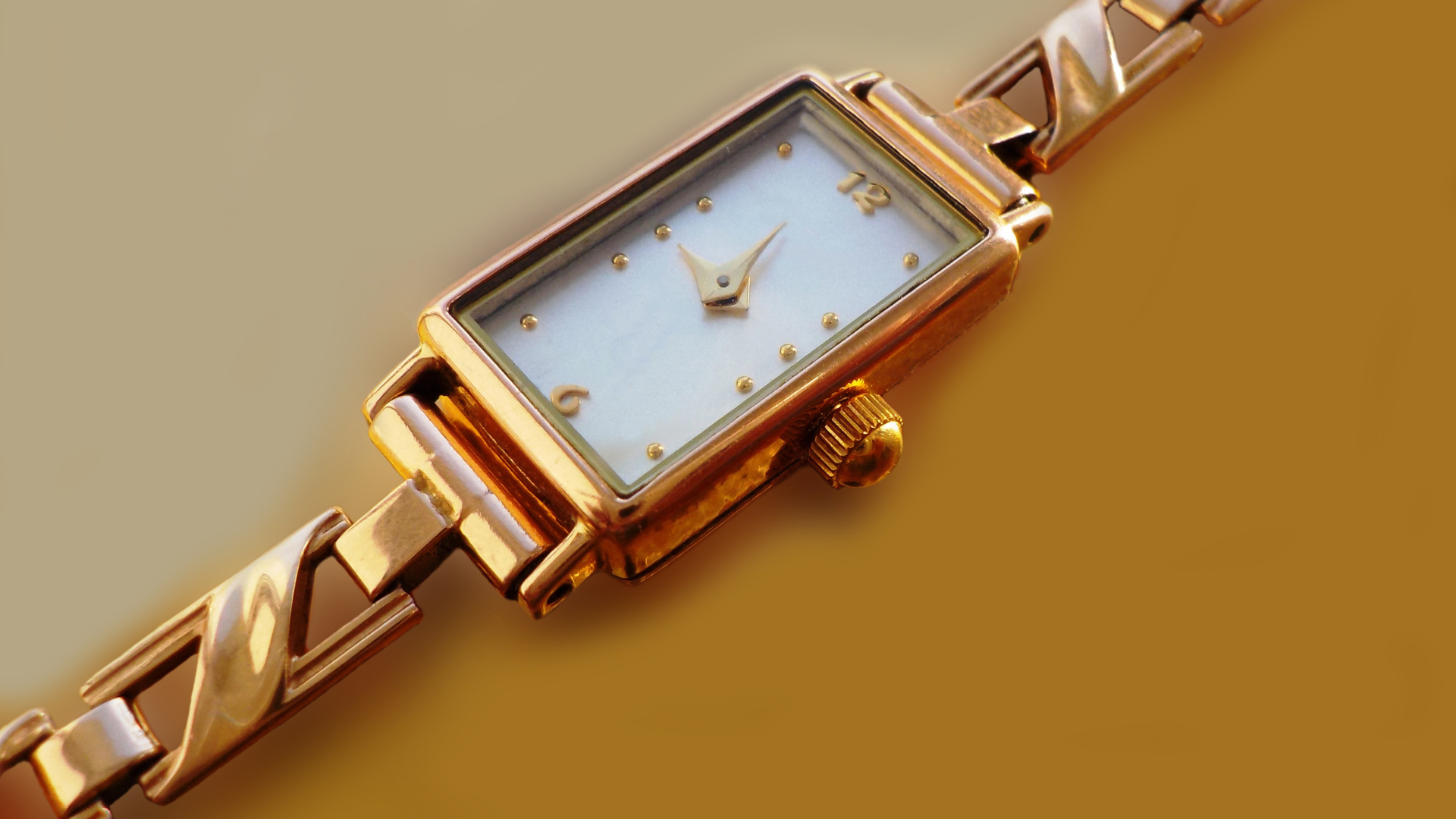
4) Over-Polishing for “Like-New” Shine
Scratches are part of real-world wear, but many collectors chase a permanently flawless look.
Why that’s a problem
- Frequent polishing rounds off lugs and edges, softens bevels and changes case lines.
- Over time, this can reduce collector value, even if the watch still “looks clean”.
- DIY polishing with household products can introduce new scratches and uneven surfaces.
Watch care tips
- Accept normal hairline scratches on polished surfaces and bracelets
- Save polishing for serious cases (deep gouges, pre-sale refresh) and use a specialist refinisher
- Focus on gentle cleaning: soft brush, mild soap for bracelets and a microfibre cloth for the case
5) Going Cheap on Repairs and Parts
When something breaks, it’s tempting to “just get it fixed” quickly at the nearest repair shop or the cheapest one you can find.
Risks you’re taking
- Incorrect crystals, crowns or gaskets can compromise water resistance.
- Non-original or poor-quality parts may introduce inherent defects
- Sloppy work can cause more damage down the line than the original issue.
Watch care tips
- Use authorised service centres for modern high-end brands, or well-reviewed specialists for vintage pieces.
- Be cautious with heavy modifications; they can affect both value and future servicing options.
- Ask for clear documentation of what was done and which parts were replaced.
6) Keeping the Whole Collection in One Obvious Spot
Space is limited in many Singapore homes, so watches often end up in one drawer or cabinet everyone uses.
Why this is risky
A single break-in could wipe out multiple pieces. While a specialist policy is designed to respond to covered thefts and other physical losses, simple physical security measures drastically reduce the chances of needing to claim in the first place.
Watch care tips
- Use a proper safe that’s bolted down and not in a predictable location.
- For very high-value pieces, consider a bank safe deposit box.
- Don’t leave boxes and papers right next to where you store the watches. that’s a handy “grab everything here” signal to thieves.
7) Not Keeping Proper Records and Photos

Many collectors have no central record of what they own. Everything lives in WhatsApp chats, emails and memory.
Why records matter
Having clear documentation makes it easier to:
- Agree appropriate values
- Track your collection
- Prove ownership and details if something goes wrong
Watch care tips
- Maintain a simple spreadsheet or app listing brand, model, reference, serial number, purchase date, price and current estimated value.
- Take clear photos (front, back, side, wrist shot) of each watch.
- Store invoices, certificates and service papers together, and scan them to cloud storage.
If you collect seriously in Singapore, your strategy should have two halves:
- Strong watch care habits: humidity control, sensible servicing, careful water use, thoughtful storage and good documentation.
- Specialist protection: a policy built for luxury timepieces, placed through trusted luxury watch dealers who work with MINT, so your key pieces have agreed values and all-risk protection for physical loss or damage, subject to the policy terms.
Get the maintenance right, and you’ll enjoy your watches more, reduce nasty surprises at the watchmaker, and make sure that if something sudden and serious does happen, you’re in the best position for a smooth claim and a properly protected collection.
Protect Your Watch Collection
Own a luxury timepiece? Make sure it's properly protected. MINT provides specialist watch insurance in Singapore covering theft, loss, and accidental damage worldwide. From $8/month for comprehensive coverage trusted by Singapore collectors.
- Watch Insurance Singapore – Complete coverage guide
- How to Insure Your Rolex – Step-by-step guide
- Dealer Insurance – For watch businesses
Read other articles